 EN
EN

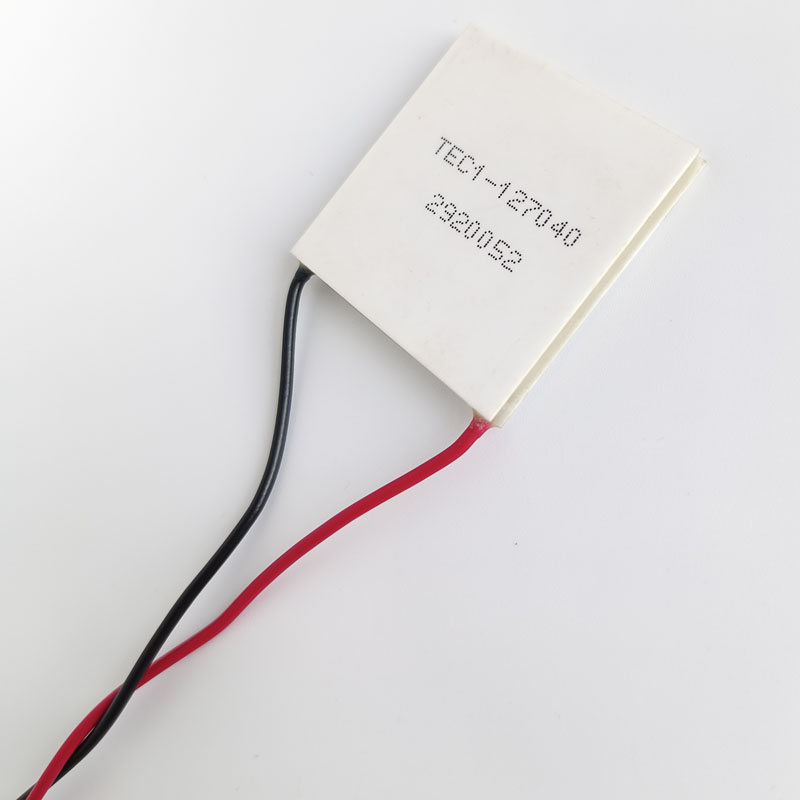
When working on an OEM project, picking the right Peltier module is really important. A Peltier module is a special kind of device that can either cool or heat something by moving heat from one side to the other. This can be useful in many things like small refrigerators, electronic cooling, or even in certain medical devices. At PN, we know that making the right choice can help your project succeed. The right Peltier module will depend on various factors like size, cooling power, and your specific needs. Let’s look into how to choose the best one for your project and some common problems that can come up when using these modules.
How to Select the Best Peltier Module for Your Wholesale Needs
Choosing the best Peltier module for your project is not just about picking one that looks good. You have to think about several things. First, know the size of the space where the module will fit. Some projects need small modules, while others can use bigger ones. Next, look at the cooling power you need. This is often measured in watts. If your project needs to cool something a lot, you will need a module with higher wattage. Think about how fast you need it to work, too. Some Peltier module cool down quickly, but others take their time.
Another important factor is the voltage that the module requires. You want to make sure it matches what your project can provide. If the module needs more power than what your system can give, it won’t work. Don't forget to check the temperature difference, or delta T, that the module can achieve. This tells you how effective it is at cooling or heating.
At PN, we suggest talking to our team if you aren’t sure what to choose. They can provide advice based on your specific needs. It’s also a good idea to look at how many modules you will need. For wholesale needs, buying in bulk can save you money. Lastly, consider the quality and reliability of the module. Not all modules are made the same way, and choosing a high-quality one can make a big difference in how well your project works in the long run.
What Are the Common Usage Issues with Peltier Modules?
Even though Peltier modules are great for many uses, they can come with some challenges. One common issue is overheating. If the module gets too hot, it can stop working or even break. It is important to have good heat sinks or fans to help keep it cool. If the module doesn’t have proper cooling, it can lead to poor performance.
Another issue is condensation. When a Peltier module cools something, moisture in the air can turn into water. This can cause problems if the water gets into other parts of your project. So, be careful with how you design the setup. You might need to add some insulation or a way to drain the water.
Sometimes, people don’t use the right power supply for the module. This can lead to the module not working correctly or getting damaged. Always check the power requirements before using the module. Finally, installation can be tricky. If the module isn’t installed properly, it won’t work as well as it should. Make sure to follow the instructions and get help if you need it.
At PN, we want to help you avoid these problems. By talking with our team and planning ahead, you can make sure your project runs smoothly.
How to Choose the Right Peltier Module Cooler and Maximize Its Lifespan
When you are working on a project, especially in making things like coolers or small refrigerators, you might want to use a Peltier module. But what makes a Peltier module the right choice for your project? First, you need to think about what you want the module to do. Peltier modules work by moving heat from one side to another. This means one side gets cold while the other side gets hot. If you want to cool something down, you need to pick a module that can move enough heat away from it. For example, if you are trying to keep a drink cold, you need a module that can handle the heat from the drink and keep the temperature low.
Another thing to think about is the size of the module. If your project is small, you need a smaller Peltier module cooler that still does the job. PN offers different sizes, so you can find one that fits perfectly in your design. You also need to know about the voltage and current that the module requires. If the power supply for your project does not match with the module's needs, it will not work properly. So, make sure to check the specifications carefully. Additionally, the cooling capacity is important. Each module has a rating that tells you how much heat it can move. Choose a module from PN that matches your cooling needs, so it works efficiently. By considering these factors, you can find the right Peltier module that will work best for your specific application.
Next, let’s talk about what affects how long a Peltier module lasts in your project. Lifespan is important because you want your project to work for a long time without problems. One of the biggest factors is how hot the module gets while it is working. If it gets too hot, it might break down faster. Therefore, it is essential to keep the hot side of the module cool. You can do this by adding a heat sink. A heat sink is a piece that helps take away the heat, keeping the module safe. PN has various heat sinks that you can use for this purpose.
How to Extend the Lifespan and Maximize the Performance of Peltier Modules in OEM Projects
Another factor is how much power the module uses. If you are using too much power, it can cause the module to wear out quickly. It’s best to run it at the recommended voltage and current to ensure it lasts longer. Additionally, environment plays a role. If the module is in a very hot place or gets wet, it may not last as long. Also, make sure the connections are secure; loose connections can create problems like overheating. Regular checks can help you catch any issues early. By understanding these factors, you can help your Peltier module last longer in your OEM projects.
Finally, let’s see how to ensure your Peltier modules work their best in your designs. First, it’s important to properly install the module. Make sure it is attached securely and that there is good contact with the surfaces it is cooling. If there are air gaps, it won’t work well. Using thermal paste can help improve the connection between the module and the surface. Next, always check the power supply. Make sure it matches the requirements of the Peltier module heating from PN to avoid any damage.
Monitoring the temperature is also crucial. If the module gets too hot, it may not work efficiently. You can use temperature sensors to keep an eye on this. If you notice the temperature rising, you may need to adjust the cooling system or add a better heat sink. Furthermore, make sure to design your project with good airflow. If the air can’t move around the module, it might get too hot. Lastly, conduct tests before finishing your project. This way, you can see if everything works correctly and make changes if needed. By following these tips, you can ensure that your Peltier modules perform at their best, making your project successful.

