 EN
EN

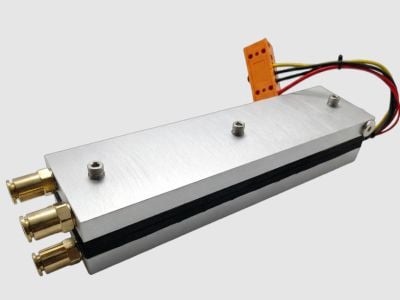
Peltier modules are essential components for cooling semiconductor equipment, offering precise temperature control critical for optimal performance. Understanding how Peltier modules support semiconductor equipment cooling helps purchasing managers, engineers, and product managers make informed decisions. This article will cover the advantages of peltier module cooler, the criteria for selecting the right module, key specifications to consider, and how to find reliable sources for these products.
How Peltier Modules Enhance Cooling for Semiconductor Applications
Peltier modules, or thermoelectric coolers (TECs), operate on the principle of thermoelectric effects to transfer heat from one side of the module to the other. This ability to create a temperature differential makes them ideal for cooling semiconductor devices, such as infrared sensors, X-ray detectors, and CCD cameras.
The precise temperature control offered by Peltier modules is vital in semiconductor applications, where even slight temperature variations can lead to performance degradation or failure. For instance, maintaining optimal temperatures can enhance the sensitivity of infrared detectors or improve the accuracy of X-ray imaging systems. Consequently, reliable cooling solutions like cooling peltier module help minimize downtime and increase the overall efficiency of semiconductor equipment.
Choosing the Right Peltier Module for Your Cooling Needs
Selecting the appropriate Peltier module requires understanding the specific cooling requirements of your application. Factors to consider include the desired temperature range, heat removal capacity, and physical dimensions of the module.
Temperature Range: Determine the operational temperature range required for your equipment. Peltier modules can achieve various temperature differentials, typically ranging from -50°C to +70°C. Ensure that the chosen module can maintain the necessary temperatures under your operating conditions.
Heat Removal Capacity: Evaluate the amount of heat generated by your semiconductor device. Peltier modules are rated by their cooling power, which typically ranges from a few watts to several hundred watts. It's essential to select a module that can handle the heat load effectively to prevent thermal overload.
Physical Dimensions: The module's dimensions must fit within the specific design constraints of your equipment. Consider height, width, and mounting style, as these factors directly impact the installation and efficiency of the cooling solution.
By carefully assessing these factors, you can choose a Peltier module that meets your cooling needs effectively, ensuring reliable performance of your semiconductor applications.
Key Specifications to Consider for Peltier Modules in Equipment
When evaluating Peltier modules, several key specifications must be considered to ensure optimal performance:
Cooling Power: This specification indicates the maximum heat removal capability of the module at a given temperature differential. Understanding this value helps in selecting a module that can adequately manage the heat generated by your semiconductor device.
Current and Voltage Ratings: Each Peltier module has specific current and voltage requirements for optimal operation. These ratings affect the power consumption and efficiency of the module. Ensure that your power supply can accommodate the required voltage and current for the module you select.
Thermal Resistance: This value represents the module's efficiency in transferring heat from one side to another. A lower thermal resistance indicates a more efficient module, which can be crucial for applications requiring rapid cooling.
Dimensions and Weight: The physical size and weight of the module influence its compatibility with your application. Ensure that the module can be integrated without compromising the design or operation of the system.
Material Composition: The materials used in peltier module affect their thermal conductivity and durability. Common materials include bismuth telluride and lead telluride. Understanding the material properties will help you select a module suited for your specific operating conditions.
By focusing on these specifications, you can ensure that the chosen Peltier module will provide effective and reliable cooling for your semiconductor applications.
What You Need to Know?
Before placing an order for Peltier modules, there are several critical aspects to confirm:
Request for Quotation (RFQ): When preparing an RFQ, include details such as the required cooling power, temperature range, dimensions, and any customization requests. This information will help suppliers provide accurate quotes tailored to your needs.
Sample Approval: Always request samples before finalizing your order. Testing samples under actual operating conditions will help you verify performance metrics such as cooling efficiency and thermal resistance. This step is crucial to avoid costly adjustments during mass production.
Quality Assurance: Establish clear quality control processes with your supplier. Inquire about their testing procedures, certifications, and warranty policies. A reliable supplier should be able to provide documentation demonstrating compliance with industry standards.
Lead Times and Minimum Order Quantities (MOQ): Discuss lead times and MOQs upfront. Understanding these parameters helps with project planning and ensures that your supply chain remains uninterrupted.
Packaging and Shipping: Confirm packaging methods to prevent damage during transit. Proper packaging is essential for maintaining the integrity of the Peltier modules, especially for sensitive electronic components.
By addressing these considerations, you can streamline the purchasing process and avoid common pitfalls associated with ordering Peltier modules.
Finding Trusted Sources for Peltier Modules
Identifying reliable suppliers for Peltier modules is crucial to ensuring the quality and performance of your cooling solutions. Here are some strategies:
Industry Research: Begin by researching manufacturers with a solid reputation in the thermoelectric cooling sector. Look for companies with experience in producing high-performance modules, such as PN, which has over 20 years of thermoelectric expertise.
Certifications and Quality Standards: Verify that potential suppliers adhere to industry certifications and quality management systems. These certifications indicate that the manufacturer follows stringent quality control processes, which can enhance your confidence in their products.
Customer Reviews and Testimonials: Seek feedback from other customers who have purchased Peltier modules. Reviews can provide insights into product performance and supplier reliability.
Technical Support and Customization: Choose suppliers that offer robust technical support and customization capabilities. A good supplier should be able to assist you with selecting the right module for your application and provide guidance on installation and maintenance.
Export Markets: If your operations span multiple regions, ensure that the supplier has experience with international shipping and compliance with import regulations. This capability can simplify logistics and reduce potential delays.
By following these strategies, you can find trusted sources for Peltier modules that meet your semiconductor cooling needs effectively.

