 EN
EN

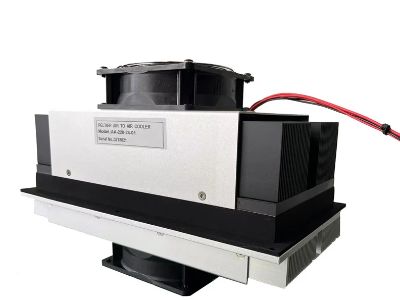
Thermoelectric coolers (TECs) are advanced devices that use the Peltier effect to create a temperature differential, providing precise temperature control for various applications. Understanding how thermoelectric coolers improve equipment reliability and performance is crucial for B2B buyers, including purchasing managers, engineers, and product managers. This article will address common buyer concerns, application suitability, cost factors, and material considerations, helping readers make informed decisions when sourcing these essential components.
What Buyers Need to Know?
When considering thermoelectric coolers, buyers should evaluate several key factors. First, the cooling capacity and temperature range are vital specifications that determine how well a TEC can manage heat in specific applications. Buyers must also assess the efficiency of the cooler, as this impacts energy consumption and operational costs. Customization options are another critical consideration. Many suppliers, like PN, offer tailored solutions to meet unique requirements, such as specific dimensions or cooling profiles for applications in infrared, X-ray, and thermoelectric cooler. Understanding the manufacturing capabilities and production processes of the supplier can also provide insight into the quality and reliability of the products. Finally, buyers should be aware of the lead times and minimum order quantities (MOQs) required by suppliers. These factors can significantly affect project timelines and budgeting, making it essential to clarify these details during the initial discussions.
Addressing Common Problems with Thermoelectric Coolers in Applications
Despite their effectiveness, thermoelectric coolers can encounter several common issues that buyers should be prepared to address. One frequent problem is insufficient thermal management, which can lead to overheating and reduced equipment performance. To mitigate this, it is crucial to ensure that the selected cooler has an adequate cooling capacity for the application and that it is installed correctly with appropriate heat sinks. Another issue is the potential for condensation, particularly in environments with high humidity. This can lead to electrical failures and reduced lifespan of the thermoelectric cooler cooling peltier. Buyers should consider using proper sealing and insulation techniques to protect the cooler from moisture exposure. Additionally, thermal cycling can result in mechanical stress and eventual failure of the TEC. Buyers should evaluate the operating conditions and consider this factor when selecting a cooler. Testing samples under actual operating conditions before mass production can help identify potential problems and ensure long-term reliability.
Cost Factors to Consider When Purchasing Thermoelectric Coolers
When evaluating the cost of thermoelectric coolers, several factors come into play. The price is often influenced by the complexity of the design, the materials used, and the manufacturing processes involved. For instance, high-performance TECs may utilize advanced materials that offer better thermal conductivity but come at a higher cost. Buyers should also consider the total cost of ownership, which includes installation, operation, and maintenance expenses. Efficient thermoelectric coolers can lead to significant energy savings over time, making them a cost-effective solution despite potentially higher upfront costs. Moreover, customization can affect pricing. Complex specifications may lead to longer lead times and higher costs, so it’s essential to communicate clearly with suppliers about budget constraints and performance requirements. This open dialogue can help in negotiating more favorable terms and ensuring that the final product meets both performance and financial expectations.
Exploring Applications of Thermoelectric Coolers in Various Industries
Thermoelectric coolers find applications across a wide range of industries due to their compact size and reliability. In the medical field, they are used in devices like portable blood analyzers and thermal imaging cameras, where precise temperature control is essential for accurate readings. In the automotive industry, TECs are employed for cooling electronic components and maintaining optimal operating temperatures for batteries and sensors, enhancing the performance and longevity of these systems. Additionally, in the telecommunications sector, thermoelectric thermoelectric cooler peltier are utilized to manage heat in data centers, ensuring that servers operate efficiently and reliably. Furthermore, industries such as aerospace and defense leverage thermoelectric coolers for temperature stabilization in sensitive equipment, benefiting from their lightweight and compact design. Understanding the specific requirements of each application can guide buyers in selecting the right thermoelectric cooler to meet their needs.
Understanding Materials Used in Thermoelectric Coolers
The performance of thermoelectric coolers significantly depends on the materials used in their construction. Common materials include bismuth telluride, lead telluride, and silicon-germanium, each offering distinct thermal and electrical properties. Bismuth telluride is widely used for room-temperature applications due to its excellent thermoelectric efficiency, while lead telluride is suited for high-temperature environments. Buyers should also consider the substrate materials, as they play a crucial role in heat dissipation and overall performance. For instance, ceramics are often used for their thermal stability and electrical insulation properties, while metals may be utilized in applications requiring improved thermal conductivity.
While selecting materials, it’s essential to align them with the specific operational environment, including temperature ranges and exposure to chemicals or moisture. This alignment ensures that the thermoelectric cooler will operate effectively and reliably throughout its lifespan. In summary, understanding how thermoelectric coolers improve equipment reliability and performance involves considering several critical factors, including specifications, common issues, cost implications, application suitability, and material choices. By focusing on these areas, B2B buyers can make informed decisions that lead to enhanced performance and efficiency in their operations.

