 EN
EN

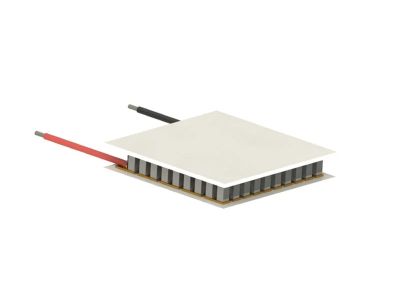
Improving the efficiency of thermoelectric coolers (TEC) in industrial systems is critical for optimizing system performance and reducing energy costs. With a focus on precise temperature control, this article will explore how to enhance TEC cooler efficiency, addressing key specifications, cost factors, and supplier reliability. Understanding these elements will help purchasing managers and engineers make informed decisions when selecting TEC coolers for their applications.
Key Specifications to Evaluate TEC Cooler Efficiency in Applications
To effectively improve TEC cooler efficiency, buyers should focus on several key specifications:
Cooling Capacity: Measured in watts, this indicates the ability of a TEC to remove heat from a system. A higher cooling capacity typically means better efficiency, but it must match the application’s heat load requirements. Buyers should evaluate this specification in relation to their specific applications, such as infrared or X-ray systems.
Coefficient of Performance (COP): This ratio of heat removal to electrical input power is crucial for determining efficiency. A higher COP indicates better performance, meaning less energy is required to achieve the desired cooling effect. Buyers should analyze the COP values provided by manufacturers and consider how they align with operational goals.
Temperature Differential: The maximum temperature difference the TEC can achieve between its hot and cold sides is critical. This specification affects the TEC's suitability for particular applications, such as in CCD cooling where precise temperature control is essential.
Material Composition: The materials used in the TEC modules affect thermal conductivity, durability, and overall efficiency. Advanced materials can enhance performance and longevity, making it vital for buyers to inquire about the material specifications during the selection process.
Thermal Resistance: Low thermal resistance between the peltier device cooler and the heat sink is necessary for optimal performance. Buyers should verify thermal resistance ratings to ensure effective heat dissipation and overall system efficiency.
By focusing on these specifications, buyers can ensure they select TEC coolers that meet their efficiency and performance needs.
What Buyers Need to Know?
When purchasing TEC coolers, buyers should consider several key factors that impact both selection and overall satisfaction with the product:
Customization Options: Many manufacturers, such as PN, offer customized solutions tailored to specific application needs. Buyers should inquire about customization capabilities, including size, shape, and performance specifications, to ensure the product fits their unique requirements.
Lead Times and Minimum Order Quantities (MOQs): Understanding lead times for production and delivery is essential for planning. Buyers should confirm these details upfront, especially if the tec cooler are needed for urgent projects. Additionally, MOQs can impact budget and inventory management.
Quality Control Processes: Reliable manufacturers implement rigorous quality control measures to ensure product consistency and performance. Buyers should ask about the quality assurance protocols in place, such as testing procedures and certifications, to guarantee that the coolers meet industry standards.
Technical Support and Documentation: Access to technical support and comprehensive product documentation can significantly aid in installation and operation. Buyers should confirm that the supplier provides adequate resources, including installation guides and troubleshooting assistance.
Supplier Reputation: Researching a supplier’s market reputation and customer feedback can provide valuable insight into their reliability and product quality. Buyers should consider reaching out to existing customers or reviewing case studies to assess the supplier's history.
These considerations will help buyers navigate the purchasing process effectively and select TEC coolers that align with their operational goals.
Understanding Cost Factors in TEC Cooler Purchases for Businesses
Cost is a vital aspect of any procurement decision. Buyers should be aware of various factors influencing TEC cooler pricing:
Material Costs: The choice of materials used in TEC construction has a direct effect on pricing. Advanced materials may increase costs but can also enhance performance and longevity, offering better value in the long run.
Production Complexity: The complexity of the manufacturing process can affect pricing. Customized or more intricate designs typically incur higher production costs. Buyers should weigh the benefits of such customizations against their budget constraints.
Volume Discounts: Purchasing in larger quantities often leads to cost savings. Buyers should explore bulk purchase options and negotiate pricing based on volume to reduce overall costs.
Shipping and Handling: Costs associated with shipping, packaging, and delivery can add to the total expenditure. Buyers should confirm these costs upfront to avoid unexpected expenses.
Long-term Operational Costs: While initial purchase price is important, buyers should also consider long-term operational costs associated with energy consumption and maintenance. thermoelectric cooler with higher efficiency may lead to lower energy costs over time, providing additional savings.
By considering these cost factors, buyers can make more informed purchasing decisions that align with their budgetary constraints while ensuring optimal performance.
The Advantages of Advanced Materials in TEC Cooler Manufacturing
The choice of materials in TEC cooler manufacturing significantly influences performance and durability. Advanced materials offer several advantages:
Enhanced Thermal Conductivity: High-quality materials improve thermal conductivity, allowing for better heat transfer and more efficient cooling. This is particularly important in high-performance applications such as X-ray and infrared systems.
Increased Durability: Advanced materials often exhibit superior resistance to environmental factors like moisture, corrosion, and thermal cycling. This durability extends the lifespan of the TEC coolers, reducing the need for frequent replacements.
Weight Reduction: Lightweight materials can contribute to easier integration and lower energy consumption of the overall system. This can be advantageous in applications where space and weight are critical factors.
Customization Potential: Advanced materials can often be tailored for specific applications, allowing manufacturers to create TEC coolers that meet unique performance requirements. This customization can lead to enhanced operational efficiency.
Cost-Effectiveness: While advanced materials may have a higher upfront cost, their long-term benefits often result in lower total cost of ownership. Buyers should evaluate the lifecycle costs associated with the materials used in TEC coolers.
Choosing TEC coolers made with advanced materials can provide significant performance advantages and cost savings for businesses in the long run.
How to Assess the Reliability of TEC Cooler Suppliers in the Market?
Finding a reliable supplier for TEC coolers is crucial for ensuring product quality and service. Here are key aspects to consider when assessing potential suppliers:
Industry Experience: Suppliers with a proven track record in the thermoelectric industry, such as PN with its 20 years of expertise, are often more reliable. Buyers should inquire about a supplier’s history and experience in the specific applications relevant to their needs.
Certifications and Standards: Suppliers that adhere to industry standards and hold relevant certifications demonstrate a commitment to quality and reliability. Buyers should request information about certifications and quality control processes.
Customer Reviews and Feedback: Feedback from previous customers can provide insight into a supplier's reliability and product performance. Buyers should seek out reviews, testimonials, or case studies to gauge customer satisfaction.
Technical Support Capabilities: A supplier that offers strong technical support can enhance the user experience and facilitate smoother operations. Buyers should evaluate the level of support provided, including troubleshooting assistance and product documentation.
Flexibility and Responsiveness: A reliable supplier should be flexible in accommodating changes or custom requests. Buyers should assess how responsive the supplier is to inquiries and their willingness to work with clients on specific requirements.
By thoroughly evaluating these criteria, buyers can select suppliers that are likely to meet their needs and provide high-quality TEC coolers that enhance operational efficiency.

