 EN
EN
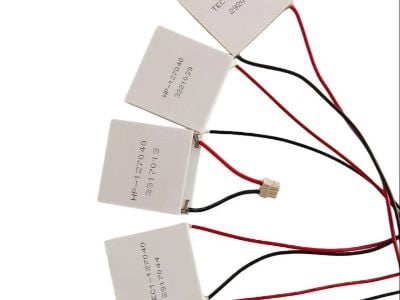
Peltier modules play a crucial role in laser cooling systems, offering precise thermal management crucial for optimal laser performance. These thermoelectric devices utilize the Peltier effect to create a heat differential, enabling efficient cooling solutions. For B2B buyers, understanding the benefits and design considerations of Peltier modules is essential for making informed purchasing decisions. This article explores the benefits of peltier cell cooling modules in laser cooling, key design considerations, essential specifications, installation guidance, and common problems with effective solutions.
Benefits of Peltier Modules in Laser Cooling Systems Explained
Peltier modules provide several advantages in laser cooling applications. First, they enable precise temperature control, which is critical for maintaining the stability and performance of laser systems. In high-precision environments, even minor temperature fluctuations can lead to significant variations in output quality. thermoelectric peltier device modules can maintain stable operating temperatures, thus enhancing the laser's efficiency and longevity.
Another benefit is their compact design. Peltier devices are smaller and lighter than traditional cooling methods, such as compressor-based systems. This compactness allows for easier integration into various laser setups, minimizing the system's overall footprint. Additionally, Peltier modules operate quietly, making them ideal for environments where noise reduction is a priority.
Moreover, these modules are energy-efficient. They require less power compared to mechanical cooling systems, which translates to lower operational costs and less heat generation, contributing to a more sustainable operational footprint.
Key Design Considerations for Peltier Modules in Cooling Applications
When designing laser cooling systems using Peltier modules, several key factors must be considered to ensure optimal performance. One of the primary considerations is the thermal load of the system. Understanding the heat generated by the laser and the required cooling capacity of the Peltier module is crucial. The cooling capacity should be sufficient to maintain the desired temperature under varying operational conditions.
Another important factor is the heat dissipation method. Peltier modules need to effectively transfer heat away from the laser system. This can involve the use of heat sinks or active cooling methods to enhance thermal management. The selection of materials for these components is also critical, as they must withstand the thermal stresses imposed during operation.
Furthermore, the module's size and configuration should align with the available space and the specific thermal requirements of the application. Customization options, such as multi-stage TEC modules, may be necessary for applications requiring extreme temperature differentials.
Essential Specifications for High-Performance Peltier Modules
To select the appropriate Peltier module for laser cooling systems, buyers should consider several key specifications:
Cooling Capacity: Measured in watts, this indicates the amount of heat the module can remove. It should match or exceed the thermal load of the laser system.
Voltage and Current Ratings: These specifications determine the power requirements of the module. Buyers must ensure compatibility with their power supply systems.
Temperature Differential (ΔT): This indicates the maximum temperature difference the module can achieve between its hot and cold sides. A higher ΔT is essential for applications with significant cooling demands.
Size and Form Factor: The dimensions of the module will affect its integration into the laser system. Buyers should confirm that the module fits within the designated space.
Thermal Resistance: Low thermal resistance between the hot and cold sides is critical for efficient heat transfer. This specification affects the module's overall cooling performance.
Understanding these specifications helps buyers assess the suitability of a Peltier module for their specific laser cooling application.
Installation Guidance for Peltier Modules in Laser Cooling Systems
Proper installation of Peltier modules is vital for effective cooling in laser systems. Here are some essential installation guidelines:
Surface Preparation: Ensure that the surfaces of both the Peltier module and the heat sink are clean and flat. Using thermal interface materials (TIM) can enhance heat transfer efficiency.
Orientation: When installing the module, follow the manufacturer's recommendations regarding orientation to avoid thermal inefficiencies. Proper alignment with the heat sink is crucial for optimal performance.
Connection Check: Verify all electrical connections before powering on the system. Incorrect wiring can lead to module failure or inefficient cooling.
Testing: Once installed, conduct thorough testing under actual operating conditions. Monitor temperature differentials to ensure the system meets performance expectations.
Maintenance: Regular maintenance checks can prevent potential issues. Inspect connections, clean heat sinks, and ensure that cooling systems are functioning optimally to prolong the life of the Peltier module.
Following these guidelines can enhance the effectiveness and longevity of Peltier modules in laser cooling systems.
Common Problems with Peltier Modules and Effective Solutions
While Peltier modules are reliable, several common issues may arise that buyers should be aware of:
Insufficient Cooling Performance: If a Peltier module does not provide adequate cooling, it may be due to poor thermal coupling. Ensure that thermal interface materials are correctly applied and that the heat sink is appropriately sized for the application.
Overheating: If the module overheats, it may be a sign that the heat dissipation method is inadequate. Consider improving airflow around the module or utilizing a more effective heat sink.
Electrical Failures: Electrical problems can occur if the module is subjected to incorrect voltage or current levels. Always verify compatibility with power supply specifications and monitor electrical connections.
Mechanical Damage: thermoelectric cooler peltier modules can be sensitive to physical stress. During installation, handle modules carefully to avoid damaging the thermoelectric elements.
By proactively addressing these common problems, buyers can enhance the reliability and efficiency of Peltier modules in their laser cooling systems.
In summary, understanding the benefits, design considerations, specifications, and installation practices for Peltier modules is essential for B2B buyers looking to optimize laser cooling systems. By selecting the right Peltier module and following best practices, companies can ensure efficient thermal management and improved laser performance.
Table of Contents
- Benefits of Peltier Modules in Laser Cooling Systems Explained
- Key Design Considerations for Peltier Modules in Cooling Applications
- Essential Specifications for High-Performance Peltier Modules
- Installation Guidance for Peltier Modules in Laser Cooling Systems
- Common Problems with Peltier Modules and Effective Solutions

