 EN
EN

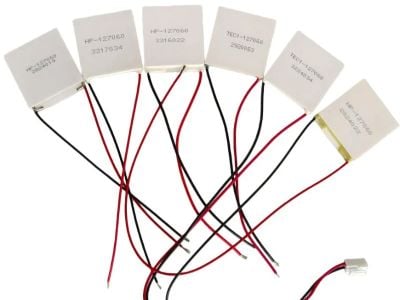
The advantages of Peltier modules for compact electronic devices are numerous, making them a popular choice in various applications like infrared, X-ray, and CCD systems. These thermoelectric devices provide precise temperature control, which is crucial for maintaining optimal performance in sensitive electronic components. However, B2B buyers often have concerns regarding specifications, sourcing reliable suppliers, cost factors, quality evaluation, and common issues associated with Peltier modules. This article will address these critical aspects to help you make informed purchasing decisions.
Key Specifications to Consider
When evaluating Peltier modules, several key specifications should be taken into account:
Cooling Capacity: Measured in watts, this indicates the amount of heat the module can remove from a device. Understanding the cooling capacity is essential for ensuring that the module meets the thermal management needs of your application.
Temperature Range: This specifies the operational limits of the module. Buyers should verify that the selected Peltier module can operate effectively within the temperature range required by their specific application.
Voltage and Current Ratings: Knowing the operating voltage and current is vital to ensure compatibility with existing systems. Exceeding these ratings can lead to module failure or reduced efficiency.
Dimensions and Form Factor: The physical size of the peltier module manufacturer can impact integration into compact devices. Ensure that the dimensions align with your design requirements to avoid compatibility issues.
Material Composition: The materials used in the module can affect its performance, durability, and reliability. For instance, bismuth telluride is a common material known for its efficiency in thermoelectric applications.
Incorporating these specifications will help ensure that the Peltier module you choose will function effectively in your application.
Sourcing Reliable Peltier Module Suppliers
Sourcing Peltier modules requires careful consideration of potential suppliers. Start by identifying manufacturers with a proven track record in thermoelectric technology. Companies like PN, with over 20 years of expertise in thermoelectric products, are ideal candidates due to their specialization in micro multi-stage TEC modules.
Evaluate suppliers based on:
Certification and Quality Standards: Look for ISO certifications or industry-specific standards that demonstrate a commitment to quality.
Customization Capabilities: Suppliers should offer the ability to tailor 12v peltier module to meet specific application needs, such as unique dimensions or performance criteria.
Production Capacity: Ensure that the supplier can meet your volume requirements, particularly if you are looking for bulk orders.
Lead Times: Understand the expected delivery times to align your project timelines accordingly.
Engaging with suppliers who can provide technical support and guidance on product selection can further streamline the sourcing process.
Understanding the Cost Factors of Peltier Modules for Bulk Orders
The cost of Peltier modules can vary significantly based on several factors. When considering bulk orders, keep the following in mind:
Material Costs: The price of raw materials, such as bismuth telluride, can fluctuate, impacting overall costs. Understanding the material composition will help you gauge potential price variations.
Customization: Custom specifications often come with additional costs. It’s essential to weigh the benefits of customization against the price increase.
Order Quantity: Larger orders typically come with discounts, but understand the minimum order quantities (MOQs) required by suppliers. This can affect your budgeting and inventory management.
Shipping and Handling: Consider logistics costs, especially for international orders. Shipping methods and delivery times can impact the total cost.
Quality Assurance Costs: If you require additional testing or certifications, factor these into your budget.
Understanding these cost factors will help you negotiate better terms with suppliers and ensure that you stay within budget.
Evaluating the Quality of Peltier Modules for Your Projects
Quality assurance is critical when selecting Peltier modules. Here are some practical steps to evaluate quality:
Sample Testing: Before committing to a bulk order, request samples for testing under your specific operating conditions. This helps confirm that the modules meet your performance requirements.
Inspection Protocols: Inquire about the manufacturer’s quality control processes. Companies like PN, with robust quality systems, will typically have established protocols for testing and validating module performance.
Performance Data: Ask for performance metrics from previous projects or independent testing. This data can provide insights into the reliability and efficiency of the modules.
Customer Feedback: Seek out reviews or case studies from other companies that have utilized the supplier's products. Real-world applications can highlight strengths and weaknesses in quality.
Warranty and Support: A solid warranty and responsive customer support can be indicators of a supplier’s confidence in their product quality.
By implementing these evaluation steps, you can minimize risks associated with quality issues and ensure that your project requirements are met effectively.
Common Problems with Peltier Modules and Effective Solutions
While Peltier modules are advantageous for various applications, they can present challenges. Here are common problems and solutions:
Thermal Cycling Failure: Repeated heating and cooling cycles can lead to mechanical stress on the module. To mitigate this, ensure proper thermal management and consider using modules with enhanced thermal cycling resistance.
Inefficiency: If a module does not meet the expected cooling capacity, it can result from improper voltage or current supply. Always confirm that the power supply matches the module specifications.
Overheating: Insufficient heat dissipation can lead to overheating and reduced performance. Ensure that your design includes adequate heat sinks or cooling solutions to manage excess heat effectively.
Mechanical Damage: Physical handling during installation can damage sensitive components. Implementing careful handling protocols and training for installation teams can help minimize this issue.
Contamination: Exposure to contaminants can affect performance. Ensure that the modules are kept clean and consider protective coatings if the operating environment is harsh.
By being aware of these potential issues and their solutions, you can better prepare for successful implementation of peltier module in your projects.
In summary, understanding the advantages of Peltier modules for compact electronic devices involves thorough consideration of specifications, sourcing reliable suppliers, evaluating cost factors, ensuring quality, and addressing common problems. By following the insights provided, B2B buyers can make informed decisions that align with their project needs.

