 EN
EN

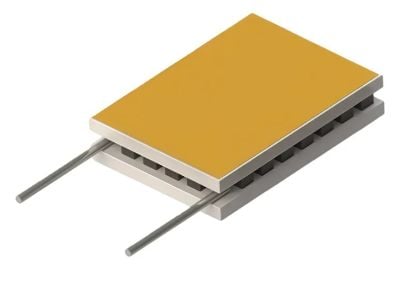
The manufacturing of thermoelectric coolers (TECs) is a critical aspect for various applications, including infrared, X-ray, and CCD technologies. The Importance of Quality Control in TEC Cooler Manufacturing cannot be overstated, as it directly influences product reliability and performance. Buyers need to be aware of how quality control affects not only their immediate purchasing decisions but also the long-term efficacy of their applications. This article will explore the essential specifications to consider when sourcing tec cooler, where to find trusted suppliers, installation guidance, common quality issues, and what to look for in quality standards.
Key Specifications to Consider When Sourcing TEC Coolers
When sourcing TEC coolers, it’s vital to understand several key specifications that can affect performance. These include the cooling capacity, temperature differential, power consumption, and dimensions of the thermoelectric cooler.
Cooling Capacity: This specification indicates how much heat the TEC cooler can remove from a given volume within a specific time frame, typically expressed in watts. Buyers should ensure that the cooling capacity meets the requirements of their application, as an insufficient cooling capacity can lead to overheating and performance issues.
Temperature Differential (ΔT): This is the maximum temperature difference the cooler can achieve between its hot and cold sides. Buyers must assess whether the required ΔT aligns with their application needs, as insufficient ΔT can compromise performance.
Power Consumption: This specification is crucial for understanding operational costs. TECs that consume less power can result in lower energy bills and decreased heat generation, which can be critical in sensitive environments.
Dimensions: The size of the TEC cooler must fit the application space. It's important to consider both the physical dimensions and the mounting requirements to avoid compatibility issues with existing systems.
Material and Build Quality: The materials used in the TEC cooler can significantly impact its durability and performance. Buyers should inquire about the types of materials used for the thermoelectric elements, insulators, and housings to ensure they are compatible with the intended application conditions, including exposure to chemicals and environmental factors.
Understanding these specifications allows buyers to make informed decisions and ensures the selected TEC cooler will meet their operational needs effectively.
Where to Find Trusted Suppliers for High-Quality TEC Coolers?
Finding reliable suppliers for TEC coolers is essential for ensuring product quality and consistency. Various sources can help identify trusted manufacturers:
Industry Trade Shows and Conferences: Attending trade shows specific to thermoelectric technology can provide firsthand insights into different suppliers. It allows potential buyers to meet representatives, evaluate products, and establish relationships.
Online Marketplaces and B2B Platforms: Websites such as Alibaba or ThomasNet feature numerous suppliers. Buyers should look for manufacturers with verified credentials, positive reviews, and a history of delivering quality products.
Professional Associations: Organizations related to thermoelectric technology often provide resources and directories of reputable manufacturers. Networking within these associations can lead to recommendations and insights into industry best practices.
Referrals and Reviews: Asking for referrals from industry peers can yield trustworthy contacts. Additionally, checking online reviews and testimonials can provide insights into a supplier’s reliability and product quality.
Certifications and Standards Compliance: Verify that potential suppliers have relevant certifications, such as ISO 9001, which indicates adherence to quality management principles. This is a strong indicator of their commitment to quality control in manufacturing processes.
By leveraging these resources, buyers can identify suppliers that align with their quality expectations and operational needs.
Installation Guidance for Optimal Performance of TEC Coolers
To maximize the performance and longevity of TEC coolers, correct installation is crucial. Here are some best practices:
Thermal Interface Material (TIM): Use high-quality thermal interface materials between the TEC cooler and the heat sink to ensure efficient thermal transfer. The choice of TIM can significantly impact cooling performance.
Mounting Orientation: Proper orientation during installation can affect the cooler's performance. It is advisable to follow the manufacturer's guidelines regarding orientation to ensure optimal heat dissipation and cooling efficiency.
Power Supply Compatibility: Ensure that the power supply matches the TEC cooler's voltage and current requirements. An incompatible power supply can lead to insufficient performance or damage.
Environmental Conditions: Consider the operational environment when installing micro tec coolers. Ensure that the installation area has adequate ventilation and is protected from extreme conditions that could impact performance.
Regular Maintenance Checks: Schedule routine checks to ensure the cooler is functioning correctly. Look for signs of wear or damage to the thermal interface or other components, as these can affect overall efficiency.
By adhering to these installation guidelines, buyers can enhance the operational lifespan and reliability of their TEC coolers.
Common Quality Issues in TEC Cooler Manufacturing and Solutions
Despite advanced manufacturing processes, certain quality issues can arise in TEC cooler production. Awareness of these issues allows buyers to take corrective measures:
Inconsistent Temperature Performance: Variability in thermoelectric module quality can lead to inconsistent temperature differentials. Buyers should request samples from potential suppliers and conduct performance tests under real operating conditions to verify consistency.
Poor Adhesion of Components: Weak bonds between the thermoelectric elements and the substrates can lead to failures. Ensuring that suppliers use high-quality adhesives and proper curing processes is essential. Buyers should inquire about the manufacturing process to understand how the components are assembled.
Defective Materials: The use of subpar materials can lead to premature failures. Buyers should request information on the sourcing and quality checks of materials used in the manufacturing process to ensure compliance with industry standards.
Inadequate Quality Control Procedures: Lack of rigorous quality control can result in defects. Buyers should evaluate suppliers’ quality control measures, such as testing protocols and inspection processes, before committing to a purchase.
Thermal Cycling Failures: Frequent temperature changes can cause materials to expand and contract, leading to mechanical failures. Buyers should ensure that the design and materials used in the TEC cooler can withstand the expected thermal cycling conditions of their application.
By identifying these common quality issues and engaging in thorough supplier evaluations, buyers can mitigate risks and enhance the reliability of their TEC coolers.
What to Look for in Quality Standards?
When sourcing TEC coolers, understanding the relevant quality standards is pivotal for ensuring product performance and reliability. Here are key aspects to consider:
ISO Certifications: Look for suppliers that hold ISO certifications, particularly ISO 9001, which indicates a commitment to quality management practices. This certification ensures that the manufacturing processes are consistently monitored and improved.
RoHS Compliance: Ensure that the TEC coolers comply with the Restriction of Hazardous Substances (RoHS) directive. This compliance guarantees that the product is free from specific hazardous materials, which is especially important for applications in sensitive environments.
Testing and Validation Reports: Request documentation related to testing and validation. Reliable manufacturers should provide results from thermal performance tests, reliability tests, and any other relevant assessments that demonstrate product quality.
Traceability: Suppliers should be able to provide traceability for materials used in production. This ensures that all components can be tracked back to their source, aiding in accountability and quality assurance.
Customer Feedback and Performance Metrics: Look for suppliers that maintain a system for collecting and acting on customer feedback. This not only reflects a commitment to continuous improvement but also informs buyers about the real-world performance of their products.
By focusing on these quality standards, buyers can enhance their confidence in the TEC coolers they procure, ensuring they meet both performance and regulatory requirements.

