 EN
EN

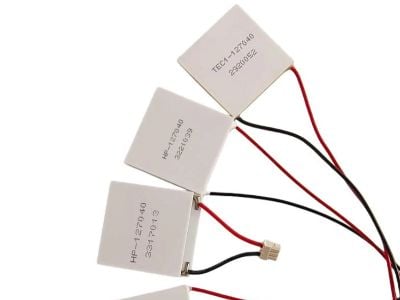
Thermoelectric coolers (TEC) are revolutionizing heat management in various manufacturing processes. By utilizing TEC technology, manufacturers can effectively address heat management challenges in applications such as infrared, X-ray, and CCD systems. This article explores how TEC technology enhances heat management, factors to consider when choosing TEC modules, reliable sourcing strategies, important specifications for optimal performance, and key buyer insights—all critical for purchasing managers and engineers seeking effective thermal solutions.
How TEC Technology Enhances Heat Management in Manufacturing Processes?
Thermoelectric cooling technology, or TEC, operates on the principle of the Peltier effect, where heat is absorbed from one side of the device and dissipated on the other. This technology is particularly beneficial in manufacturing environments where precise temperature control is crucial. For instance, in industries utilizing infrared sensors or X-ray equipment, maintaining consistent thermal conditions can significantly improve measurement accuracy and extend equipment lifespan.
TEC modules offer advantages such as compact size, lightweight construction, and the ability to achieve temperature differentials that traditional cooling methods cannot provide. Moreover, their solid-state nature eliminates moving parts, reducing maintenance needs and increasing reliability. Manufacturers like PN leverage their 20 years of thermoelectric expertise to develop micro multi-stage tec cooler modules tailored to specific applications, ensuring optimal thermal performance in demanding environments.
What to Consider When Choosing TEC Modules for Your Applications?
Selecting the right TEC module requires careful consideration of several factors. First, assess the required temperature range and cooling capacity. The specifications, including the maximum temperature differential (ΔT) and the cooling power (Qmax), should align with your application's demands.
Material selection is also vital. The efficiency of a micro tec module is influenced by the materials used, such as bismuth telluride, which is common in thermoelectric devices. It is essential to verify that the chosen materials are suitable for the operational conditions, especially regarding thermal conductivity and electrical resistance.
Additionally, consider the module's dimensions and configuration to ensure compatibility with existing systems. Customization options may also be necessary for unique applications, particularly if space constraints or specific performance metrics need to be addressed. Engaging with a manufacturer that offers tailored solutions can streamline this process.
Where to Source Reliable TEC Products for Industrial Use?
Sourcing reliable TEC products involves evaluating potential suppliers based on their expertise, manufacturing capabilities, and quality control processes. Look for manufacturers with a proven track record in thermoelectric cooler, like PN, which specializes in high-performance TEC modules.
When assessing suppliers, inquire about their production equipment and capabilities. Advanced manufacturing techniques can significantly affect product consistency and reliability. It's also crucial to verify certifications that demonstrate adherence to international standards, ensuring product quality.
Engaging with suppliers that provide clear communication regarding lead times, minimum order quantities (MOQ), and customization options can facilitate smoother procurement. Establishing a strong partnership with a reliable supplier can also lead to improved support during the product lifecycle.
Understanding TEC Technology Specifications for Optimal Performance
Understanding the specifications of TEC modules is vital for ensuring optimal performance in your applications. Key parameters to consider include:
Maximum Temperature Differential (ΔT): This indicates the highest temperature difference the module can achieve. Ensure that this value meets or exceeds the requirements of your application.
Cooling Power (Qmax): This parameter defines the module's cooling capacity at a given temperature difference. It’s crucial to match this with your thermal load requirements.
Voltage and Current Ratings: Proper voltage and current ratings are essential for safe and efficient operation. Operating outside these parameters can lead to reduced performance or damage to the TEC module.
Thermal Resistance: This metric affects how efficiently the module can transfer heat. A lower thermal resistance value indicates better performance.
Before finalizing a purchase, it’s advisable to request samples and conduct tests under actual operating conditions. This step can help confirm that the selected TEC module meets the expected performance criteria in your specific application.
Key Buyer Insights
When preparing to purchase TEC modules, buyers should gather relevant information to streamline the RFQ process. Key details to include are:
Application Requirements: Clearly outline the intended use, including temperature ranges, cooling capacity, and any specific design constraints.
Quantity: Determine the number of units required, as this can affect pricing and lead times.
Customization Needs: Specify any unique requirements, such as dimensions, configurations, or materials, that may necessitate custom manufacturing.
Technical Drawings or Specifications: Providing detailed documents can help suppliers understand your needs better and offer more accurate quotations.
Quality Inspection Criteria: Establish clear criteria for quality checks to ensure that the received modules meet your standards.
By being prepared with this information, buyers can facilitate better communication with suppliers, ultimately leading to more satisfactory outcomes in terms of product quality and performance.
In summary, understanding how manufacturers reduce heat management challenges with TEC technology empowers B2B buyers to make informed decisions. From evaluating the right specifications to sourcing reliable products, the insights provided here will aid purchasing managers, engineers, and product managers in selecting the ideal thermal solutions for their applications.

