

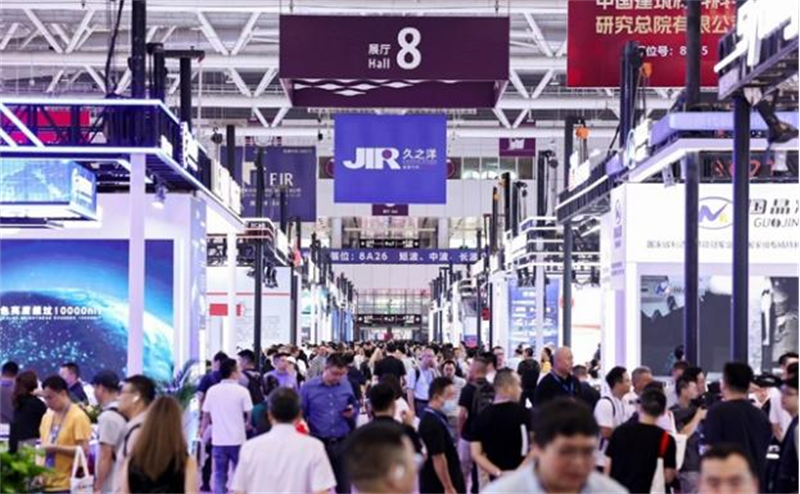
Mula Setyembre 9 hanggang 11, ang ika-27 na China International Optoelectronic Exposition (CIOE 2026) ay magaganap sa Shenzhen World Exhibition & Convention Center sa Bao'an. Bilang isa sa mga pangunahing trade show ng optoelectronics sa Tsina, ang CIOE ay nagpupulong ng mga supplier mula sa buong value chain, kabilang ang optical communications, medical optoelectronics, infrared sensing, at airborne systems. Ang eksibisyong ito ngayong taon ay magtutuon sa mga high-speed optical modules para sa AI infrastructure, portable medical diagnostics, at industrial optoelectronic equipment na idinisenyo para sa mga mahihirap na kapaligiran.
Ang mga mikro na thermoelectric cooler (Micro TECs) ay nagbibigay ng tiyak at dalawang-direksyon na kontrol sa temperatura nang walang gumagalaw na bahagi gamit ang Peltier effect. Ang kanilang maliit na sukat, mababang vibration, at mataas na katatagan ay ginagawa silang mahalagang bahagi sa pagkontrol ng init sa mga advanced na optoelectronic system. Ang i-TEC ay espesyalista sa custom na pag-unlad at mass production ng Micro TECs. Sa CIOE 2026, ipapakilala namin ang mga solusyon para sa optical communications, medical systems, at industrial at airborne applications. Ang paunang pagsusuri na ito ay tatalakayin ang mga teknolohiya, mga aplikasyon, at mga trend sa merkado na sumusuporta sa mga produktong ito—at imimiyembro ang mga kasamahan sa industriya na makipagkita sa aming koponan sa Booth 8E40.
1.1 Tatlong Trend na Nagbabago sa Industriya
Ang infrastraktura ng AI ay pabilis ng upgrade sa optical module. Ang 800G optical modules ay nasa komersyal na pag-deploy na ngayon, samantalang ang 1.6T at 3.2T na produkto ay nakakalipas na sa mga yugto ng volume-validation. Habang ang mga arkitektura ng module ay nagiging mas dense at ang heat load ng laser ay mas nakonsentra, ang pasibong pagpapalamig lamang ay hindi na kaya pangpanatili ng matatag na operating wavelength. Kaya naman, ang mataas na presisyong aktibong temperature control ay naging karaniwan na.
Ang medical optoelectronics ay nagiging mas maliit at mas tumpak. Ang portable IVD analyzers at medical laser systems ay may limitadong internal space ngunit nangangailangan ng temperature control sa loob ng +/-0.1 degree C. Kahit ang pinakamaliit na pagbabago ay maaaring makaapekto sa mga resulta ng pagsusuri, kaya ito ang nagpapataas ng demand para sa compact na thermal-control components.
Ang mga industriyal na optoelektroniko ay pumapasok sa mas mapanghamon na kapaligiran. Ang mga optical assembly, infrared detector, at automotive LiDAR ay maaaring ilantad sa mabilis na pagbabago ng temperatura, tuloy-tuloy na pagvivibrate, init ng araw, at ulan. Ang kanilang mga thermal component ay kailangang magbigay ng resistance sa vibration, kakayahang tumagal sa panahon, at pangmatagalang katatagan.
Kapag pinagsama-sama ang mga trend na ito, ipinapakita nila na ang thermal management ay lumalampas na sa pangunahing pagpapalabas ng init patungo sa aktibong, point-of-use na pagpapakatatag ng temperatura. Ang micro TECs ay direktang sumasagot sa pangangailangang ito at inaasahan na magiging mahalagang pokus para sa mga purchasing at engineering team sa CIOE 2026.
1.2 Mga Pangunahing Kawastuhan ng Micro TECs
Ginagamit ng Micro TEC ang termoelektrikong materyales na bismuth telluride. Kapag may kasalukuyang elektrisidad, ang isang panig ay sumisipsip ng init samantalang ang kabilang panig ay nagpapalabas nito; ang pagbabaligtad ng kasalukuyan ay nagpapalit sa mainit at malamig na panig. Kapag pinagsama sa isang PID closed-loop controller, ang Micro TEC ay maaaring magbigay ng tiyak na pagpapanatili ng temperatura. Kumpara sa mga konbensiyonal na paraan ng pagpapalamig, ang teknolohiyang ito ay nag-aalok ng ilang natatanging pakinabang:
1. Compact at ultra-thin: Ang kapal na nasa antas ng millimeter ay nagpapahintulot sa direkta at madaling pag-mount sa mga laser at sensor, kaya ang Micro TEC ay lubos na angkop para sa mga sistemang mahigpit na nakaintegrate.
2. Solid-state at tahimik: Dahil wala itong gumagalaw na bahagi, ang Micro TEC ay hindi lumilikha ng mekanikal na vibrasyon o tunog na akustiko na maaaring makagambala sa optical path, magdulot ng data drift, o lumikha ng imaging artifacts.
3. Mabilis na tugon at mataas na katatagan: Ang pag-aadjust na nasa antas ng millisecond at ang katatagan ng temperatura na +/-0.05 degree C hanggang +/-0.1 degree C ay tumutulong upang panatilihin ang mga optical component sa kanilang optimal na operating range.
4. Ginawa para sa mahigpit na serbisyo: Ang mga nasisilang na pakete ay maaaring maghatid ng higit sa 20,000 oras na serbisyo sa ilalim ng karaniwang kondisyon ng operasyon, na may saklaw ng operasyon mula -40 degree C hanggang +105 degree C.
5. Handa para sa pangkalahatang produksyon: Ang operasyon na may mababang boltahe ng DC ay nagpapanatili ng kontrolado ang pagkonsumo ng kuryente, habang ang mga format na nakakabit sa ibabaw ay sumusuporta sa awtomatikong pagpiyok at epektibong mataas na dami ng pag-aassemble.
Ang mga katangiang ito ang nagpapahintulot sa Micro TECs na maglingkod sa mga pangunahing lugar ng aplikasyon na kinakatawan sa CIOE 2026.
2.1 Optical Communications: Ang Pinakamalaking Merkado ng Aplikasyon
Ang optical communications ang nananatiling pinakamalaking downstream market para sa Micro TECs at magiging pangunahing pokus sa mga CIOE communications halls. Ang patuloy na pamumuhunan sa data centers, backbone networks, at AI computing clusters ay sumusuporta sa tuloy-tuloy na demand para sa high-speed optical modules. Ang DFB at EML lasers ay lubhang sensitibo sa temperatura: ang pagbabago ng temperatura ay maaaring i-shift ang wavelength at pabagu-baguin ang output power, na nagdudulot ng pagtaas sa bit error rate. Kaya naman, ang real-time TEC control ay lubhang mahalaga.
High-speed optical modules: ang i-TEC ay nag-o-offer ng mga dedicated na Micro TECs para sa komersyal na 800G at 1.6T modules. Ang mga low-thermal-resistance, ultra-thin packages ay umaangkop sa compact module architectures, habang ang temperature stability na +/-0.1 degrees C ay tumutulong na supressin ang laser drift at pabilangin ang wavelength at optical-power output. Ang mga produkto ay na-validate sa pamamagitan ng telecom-grade thermal cycling, damp-heat aging, at extended powered-aging tests para sa paggamit sa data-center interconnects, metropolitan networks, at 5G fronthaul at midhaul modules.
Pangunahing istasyon ng kontrol sa temperatura: Para sa mga optical amplifier, semiconductor optical amplifiers (SOAs), at iba pang mga bahagi ng optical transceiver, ang i-TEC ay nag-o-optimize ng packaging upang maging resistant sa matinding pagbabago ng temperatura at sa mahabang panahong pagtanda. Ang layunin ay bawasan ang mga field failure habang ino-optimize ang konsomosyon ng kuryente ng TEC sa antas ng sistema, na bumababa sa kabuuang paggamit ng enerhiya at sumusuporta sa mas mahusay na PUE ng pasilidad.
Sa eksibisyon, ipapakita ng i-TEC ang malawak na hanay ng karaniwang produkto at talakayin ang custom development. Ang mga sukat, kakayahang mag-pump ng init, at mga target sa kontrol ng temperatura ay maaaring i-customize upang balansehin ang performance, konsomosyon ng kuryente, at mga kinakailangan sa assembly—from engineering samples at pilot production hanggang sa volume supply.
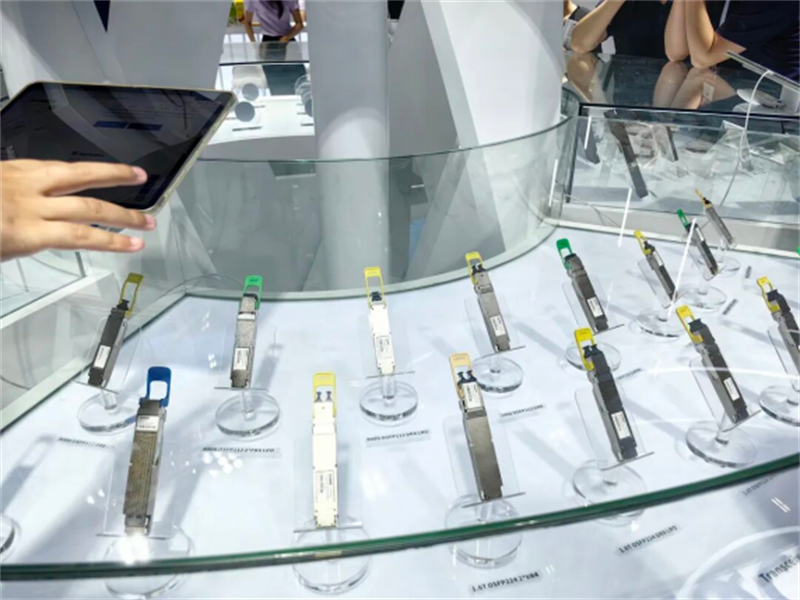
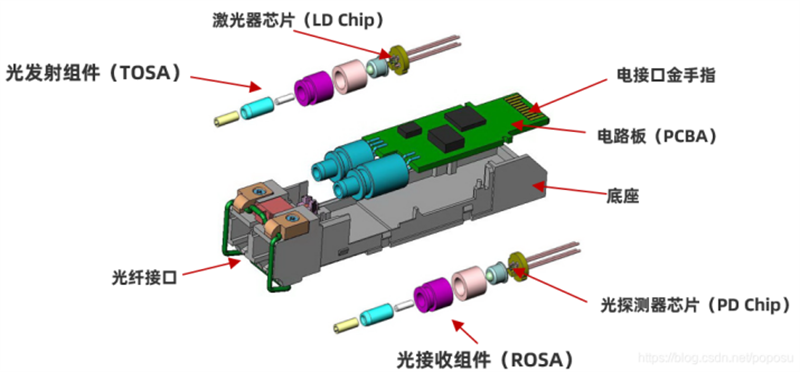
Mga Micro TEC na Solusyon para sa Mabilis na Optical Module
2.2 Medikal na Optoelektronika: Isang Mataas na Halagang Segment ng Paglago
Ang medikal na optoelektroniks ay magiging isa pang pangunahing pokus sa CIOE 2026. Ang mga IVD analyzer at medikal na laser system ay nangangailangan ng napakataas na antas ng kaligtasan, pagkakapantay-pantay, at katatagan sa pagkontrol ng temperatura—kaya sila ay mahalagang merkado para sa paglago ng mga advanced na TEC solution.
Mga system ng PCR: Ang mga analyzer ng PCR ay umaasa sa paulit-ulit na pag-init at paglamig upang maparami ang mga genetic material, at ang pagkakapantay-pantay ng temperatura ay direktang nakaaapekto sa katiyakan ng pagsusuri. Ang medical-grade na Micro TEC ng i-TEC ay nagbibigay ng mabilis na pag-init at paglamig, at kayang suportahan ang pagkakapantay-pantay ng temperatura sa loob ng chamber sa loob ng +/-0.05 degree C. Ang kanilang solid-state na operasyon na may mababang vibration ay angkop para sa parehong benchtop na laboratory system at compact na portable analyzer.
Mga medikal at aesthetic na laser system: Ang mga pagbabago sa temperatura sa pinagmumulan ng bomba ay maaaring magdulot ng kawalan ng katatagan sa output na enerhiya at makaapekto sa pagganap ng paggamot. Ginagamit ng i-TEC ang malinis at nakasiradong proseso ng pagpapakete na idinisenyo upang bawasan ang outgassing at suportahan ang pangunahing mga kinakailangan sa kaligtasan ng medikal na kagamitan, na tumutulong na panatilihin ang matatag na temperatura ng pinagmumulan at pare-parehong output na enerhiya.
Portable na imbakan na may kontrolado na temperatura: Ang dalawahang direksyon na kontrol sa temperatura ay nagbibigay-daan din sa kompakto at maliit na mga module na panatilihin ang temperatura sa pagitan ng 2–8 degree C sa ilalim ng karaniwang kondisyon ng kapaligiran para sa maikling distansya ng paglilipat ng mga biyolohikal na reagent at diagnostic na sample.
Sa panahon ng CIOE 2026, ang engineering team ng i-TEC ay magiging available para sa mga teknikal na talakayan nang isang-sa-isang, kabilang ang suporta sa pagsusuri ng katiwalian (reliability-verification) sa mga unang yugto ng pagkakatibay ng medical device.
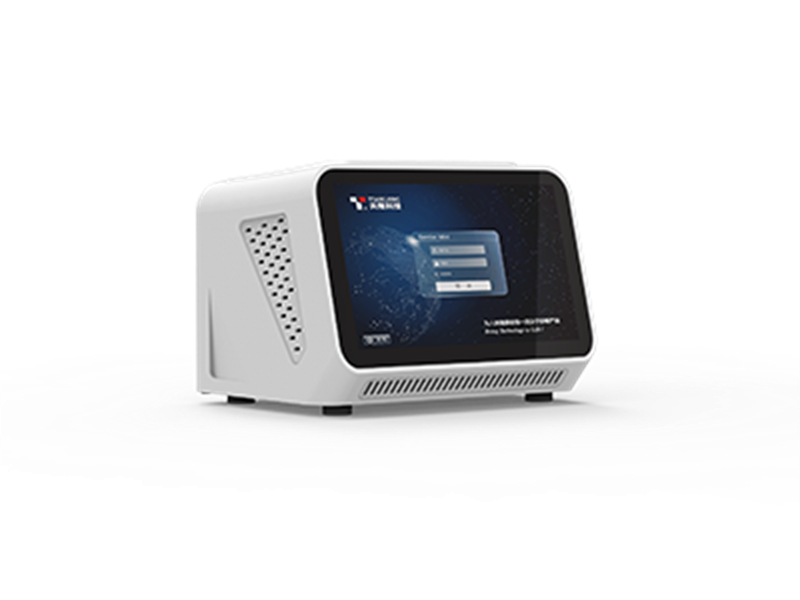
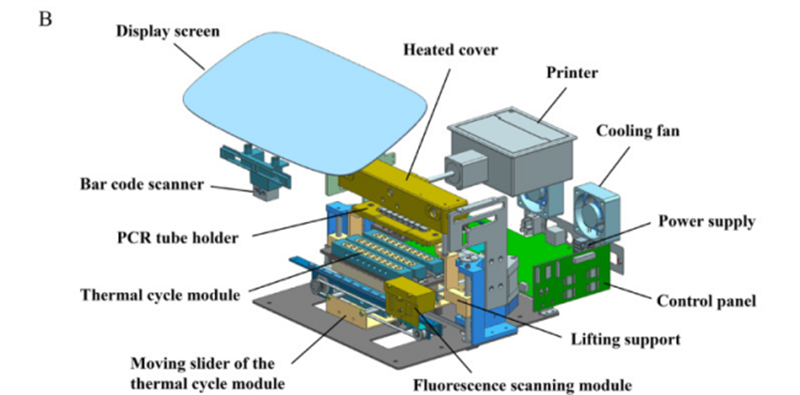
Micro TEC na Kontrol sa Temperatura para sa mga Sistema ng PCR
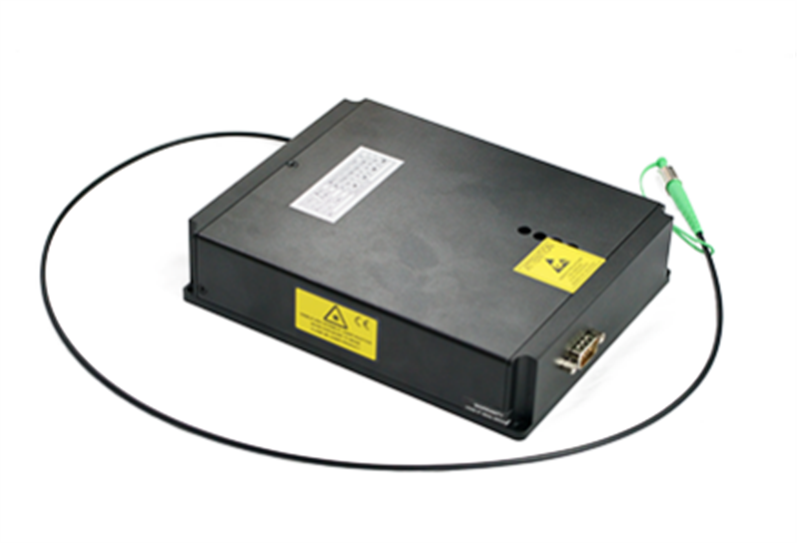
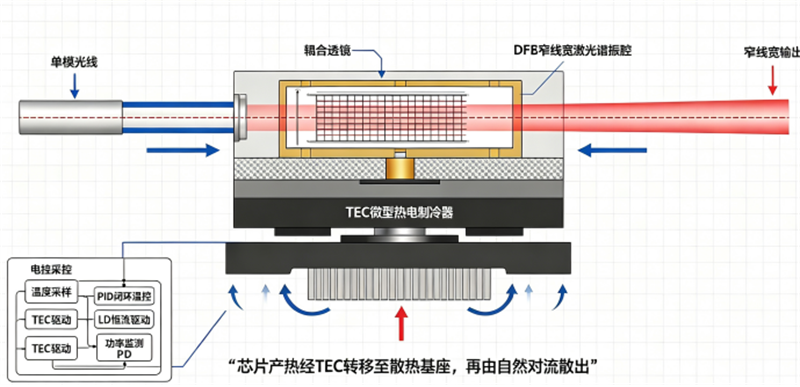
Mga Solusyon ng Micro TEC para sa mga Sistema ng Laser
2.3 Pagdedetekta ng Infrared at Optoelektronika sa Hangin para sa mga Drone
Kapag tumataas ang temperatura ng isang infrared detector, tumataas din ang kanyang likas na thermal noise at bumababa ang kaliwanagan ng imahe. Ayon sa konfigurasyon, ang multistage TECs ay maaaring palamigin ang mga detector hanggang sa -40 degree C hanggang -50 degree C, na pumipigil sa dark-current noise at nagpapabuti ng imaging performance sa mga industrial inspection at security night-vision system.
Ang operasyon ng drone ay pinauunlad ng tuloy-tuloy na vibration kasama ang malalaking pagbabago ng temperatura mula araw hanggang gabi. Kaya naman, ang airborne cameras at laser rangefinders ay maaaring makaapekto ng accuracy drift dahil sa temperatura. Ang i-TEC ay pinalalakas ang panloob na interconnects at package structures upang mapabuti ang resistance sa vibration at mapanatili ang stable na temperature control habang lumilipad. Ang mga solusyon na ito ay maaari ring suportahan ang optoelectronic receiver section ng automotive LiDAR systems, na tumutulong sa pagpapabilis ng detector sensitivity.
2.4 Scientific Optics at Emerging Applications
Ang mga sensor ng laboratoryo na CCD, ang mga malamig na well, at ang kompakto at pare-parehong temperatura ng mga platform para sa pagsusulit ay gumagamit ng TEC para sa eksaktong kontrol ng temperatura sa gradient. Sa mga optical na module ng AR at mataas na resolusyon na mga sistema ng imaging, ang lokal na paglamig ng TEC ay maaaring bawasan ang temperatura ng ibabaw, mapabuti ang kumportableng pakiramdam ng gumagamit, at mabawasan ang distorsyon ng imahe na dulot ng thermal deformation. Ang mga espesyalisadong aplikasyong ito ay patuloy na tumatangkad at kumakatawan sa mahalagang lugar para sa hinaharap na pag-unlad.
3.1 Patuloy na Paglago at Bagong Mga Oportunidad para sa Lokal na Suplay
Inaasahan na panatilihin ng Micro TEC market ng Tsina ang patuloy na paglago nito noong 2026, na may taunang paglago na tinataya sa halos 12% sa susunod na ilang taon. Nananatiling mainit ang kompetisyon sa presyo sa mababang dulo, habang ang bahagi ng mataas na halaga ng mga produkto na may kahusayan para sa komunikasyon, medikal, at airborne na aplikasyon ay patuloy na lumalawak. Tatlong salik ang nagpapadala ng paglago na ito:
3.2 Technology Roadmap
ang roadmap sa pagbuo ng produkto ng i-TEC ay nakatuon sa apat na prayoridad:
3.3 Isang Pamilihan na Papalapit sa Pagkakaisa
Ang kompetisyon sa presyo ay napakalakas sa pagitan ng maraming mas maliit na tagapag-suplay sa mababang dulo ng pamilihan. Kasabay nito, ang mga customer ay itinaas ang kanilang mga inaasahan para sa pagkakapareho, katiyakan, at bilis ng pasadyang paghahatid. Ang mga tagapag-suplay na walang malakas na pundasyon sa teknikal o kumpletong kakayahan sa pagsusuri ng katiyakan ay magkakaroon ng lalong tumataas na hirap sa pakikipagkompetensya. Ang pangmatagalang kompetisyon ay nakasalalay sa karanasan sa disenyo ng miniature at multi-hakbang na TEC, pag-unlad ng advanced na teknolohiya, pagsusuri ng performance sa buong proseso, mabilis na pasadyang paggawa, at patuloy na suportang teknikal. Ang mga vertically integrated na kakayahan ng i-TEC ay sumasaklaw sa pagproseso ng hilaw na materyales, thermoelectric die cutting, eksaktong pag-solder, at standardisadong pagsusuri, na nagbibigay-daan sa suporta mula sa pasadyang prototype hanggang sa mass production.
4.1 Ano ang Inaasahan sa Aming Booth
Pamamalas ng produkto: Tingnan nang personal ang tatlong pangunahing pamilya ng produkto—mga Micro TEC para sa mga optical module, mga TEC na may kalidad na medikal para sa mga sistema ng PCR, at mga TEC na tumutol sa vibration para sa mga aplikasyong panghimpapawid—kasama ang personal na gabay sa pagpili mula sa aming mga inhinyero.
Libreng konsultasyon para sa pag-customize: Dalhin ang mga drawing ng inyong sistema at mga kinakailangan sa pagkontrol ng temperatura upang talakayin ang pagpili ng produkto at optimisasyon ng pag-aassemble kasama ang aming koponan ng inhinyero.
Suporta para sa eksibisyon lamang: Ang mga proyektong kwalipikado na tinalakay sa booth ay maaaring makatanggap ng mabilis na pag-schedule ng mga sample, presyo para sa unang order ng produksyon, at tiyak na pagsusuri sa katiyakan.
Mga teknikal na talakayan: Makilahok sa aming koponan upang alamin ang pagkontrol ng temperatura sa optical module, infrared imaging, disenyo ng mga module na may kontroladong temperatura, at iba pang karaniwang hamon sa inhinyeriya.
4.2 Mga Detalye ng Event
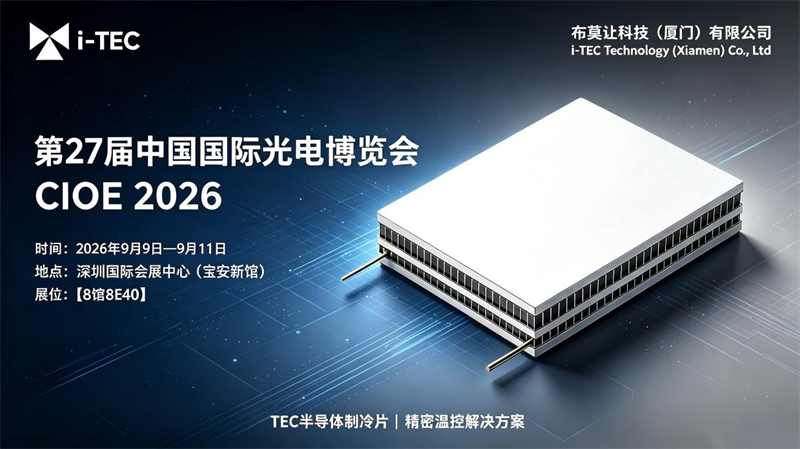
Kaganapan: Ika-27 na China International Optoelectronic Exposition (CIOE 2026)
Mga petsa: Setyembre 9–11, 2026
Lugar ng pagdiriwang: Shenzhen World Exhibition & Convention Center (Bao'an), Shenzhen, Tsina
Booth: Hall 8, Booth 8E40
Ang mga Micro TEC ay maaaring maliit, ngunit sila ay pundamental sa maaasahang pagpapatakbo ng mga kagamitang optoelectronic. Ang eksaktong kontrol ng temperatura ay hindi na isang opsyonal na tampok: ito ay isang mahalagang kadahilanan sa katatagan ng sistema at sa kumpetisyon ng produkto. Ang mga Micro TEC ay tumutulong na panatilihin ang makinis na pagpapatakbo ng mga optical network na pinapagana ng AI, protektahan ang katiyakan ng mga medikal na diagnosis, at suportahan ang maaasahang pagpapatakbo ng mga industrial at airborne na optoelectronic system sa buong halaga ng chain.
Sa CIOE 2026, ang i-TEC ay magkakasama ang mga na-probeng produkto at ang direktang teknikal na suporta. Inaasahan namin ang pagkikita sa mga propesyonal sa R&D at sa pagkuha ng mga sangkap, ang talakayan tungkol sa mga tunay na hamon sa thermal control, at ang pagkilala sa mga oportunidad para sa pangmatagalang pakikipagtulungan. Ang i-TEC ay patuloy na paunlarin ang mga highly reliable at high-precision na Micro TEC solution habang tinutulungan ang paglago ng AI infrastructure, ng mga lokal na supply chain, at ng mga emerging na aplikasyon. Bisitahin kami sa Hall 8, Booth 8E40 sa Shenzhen this September.


 EN
EN