 EN
EN

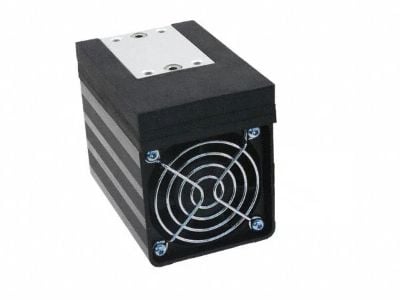
Selecting a thermoelectric cooler (TEC) module can significantly impact the efficiency and effectiveness of your thermal management systems. As a purchasing manager, engineer, or product manager, your primary concerns revolve around quality, application suitability, customization options, and overall cost. This article will guide you through the key factors engineers should consider when selecting a TEC module, ensuring you make informed decisions that align with your specific industrial requirements.
How to Evaluate the Quality of Thermoelectric Modules for Bulk Orders?
When evaluating the quality of thermoelectric modules, it’s essential to consider several critical factors. First, inspect the specifications such as the Coefficient of Performance (COP), maximum operating temperature, and thermal resistance. These parameters directly influence the module's efficiency and performance in your application. For instance, a higher COP indicates better energy efficiency, which is crucial for applications like infrared sensors or CCD systems. Next, assess the materials used in the tec cooler. High-quality materials ensure durability and reliability over time, especially in demanding environments. Common materials include bismuth telluride and lead telluride, known for their thermoelectric properties. Additionally, inquire about the manufacturing processes and any certifications that can validate the quality, such as ISO or RoHS compliance. Finally, request samples for testing under real operating conditions. This practice helps confirm the module's performance, ensuring it meets the requirements before committing to bulk orders.
Where to Source Reliable TEC Modules for Your Industrial Applications?
Finding reliable sources for TEC modules involves thorough research and evaluation of potential suppliers. Start by looking for manufacturers with a proven track record in thermoelectric technology, such as PN, which boasts 20 years of experience. This expertise often translates into better product knowledge and customer support. Consider suppliers that offer customization options tailored to your specific application tec cooling system. Customization can include variations in size, configuration, and thermal performance, which are particularly important for specialized applications like X-ray or infrared technology. Networking within industry associations, attending trade shows, and consulting with peers can also lead you to reputable suppliers. Online platforms and marketplaces dedicated to industrial components may provide user reviews and ratings, helping you gauge the reliability of potential partners.
Cost Factors to Analyze When Selecting a TEC Module Supplier
Analyzing cost factors when selecting a TEC module supplier requires a comprehensive approach. Begin by assessing the unit price of the TEC modules, but remember that the lowest price does not always equate to the best value. Consider the total cost of ownership, which includes shipping, handling, and any additional customization fees.
Minimum order quantities (MOQ) can also affect your overall purchasing cost. Suppliers with lower MOQs may seem appealing initially, but evaluate whether they can meet your long-term supply needs. Additionally, inquire about bulk pricing discounts, which can lead to significant savings for larger orders.
Lead time is another critical cost factor. Longer lead times can disrupt your production schedule, leading to increased costs elsewhere. A reliable supplier will provide transparent timelines and the capability to meet your delivery requirements.
Common Problems with TEC Modules and Effective Solutions for Buyers
While TEC modules are generally reliable, several common problems can arise during their use. One issue is thermal cycling, which can lead to component fatigue and failure over time. To mitigate this, ensure that the selected module is rated for your application’s thermal cycles and environmental conditions.
Another concern is inadequate heat dissipation, which can drastically reduce a tec peltier module performance. Buyers should evaluate the heat sink compatibility and ensure adequate thermal interface materials are employed during installation.
For buyers, it’s essential to have clear communication with suppliers regarding these issues. Understanding warranty policies and service agreements can also provide peace of mind, as reputable manufacturers typically offer support for addressing any operational challenges.
Best Practices and Tips
To ensure a successful procurement process for TEC modules, consider these best practices:
Define Your Requirements: Clearly outline your application’s thermal requirements, including operating temperatures, required cooling power, and dimensions. This clarity assists suppliers in providing suitable options.
Conduct Thorough Research: Investigate multiple suppliers, comparing specifications, pricing, and customer feedback. Look for manufacturers with robust quality control processes and proven reliability.
Request Detailed Specifications: When soliciting quotes, ask for detailed technical specifications and performance data. This information will help you make an informed comparison.
Utilize Prototyping: Before committing to large orders, utilize prototyping or pilot runs to test the modules under actual operating conditions. This step can reveal any potential issues before full-scale production.
Establish Strong Supplier Relationships: Building relationships with suppliers can lead to better support and responsiveness, especially during critical project phases. Regular communication regarding your needs can also lead to improved customization options.
By taking these steps, engineers and procurement professionals can confidently select TEC modules that meet their specific application needs while ensuring reliability and efficiency.

